Your Emails Are Going to Spam. Here's the Honest Why.
If your open rates quietly cratered, you don’t have a copywriting problem — you have a deliverability problem, and it’s fixable.
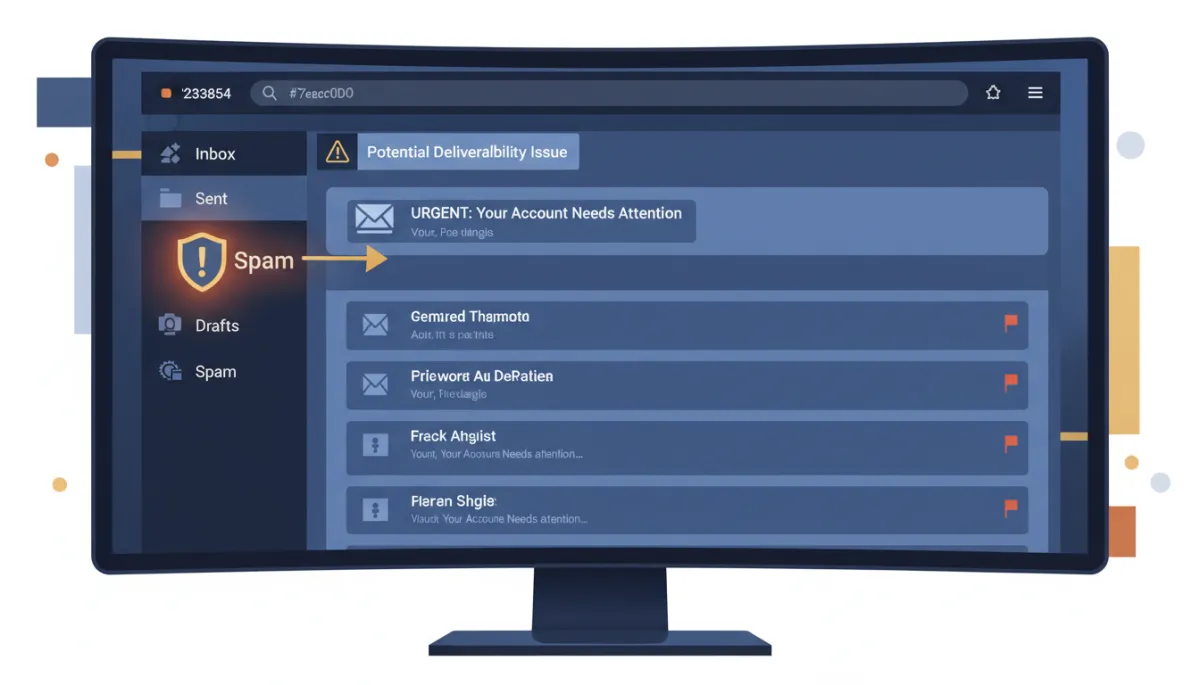
Here’s the uncomfortable truth: you can write the best email of your life and it doesn’t matter if Gmail dumps it in spam before anyone sees it. Mailbox providers weigh dozens of signals before they let a message into the inbox, and most of them have nothing to do with your words. Let’s name the ones that actually sink you.
Authentication: are you even allowed to send?
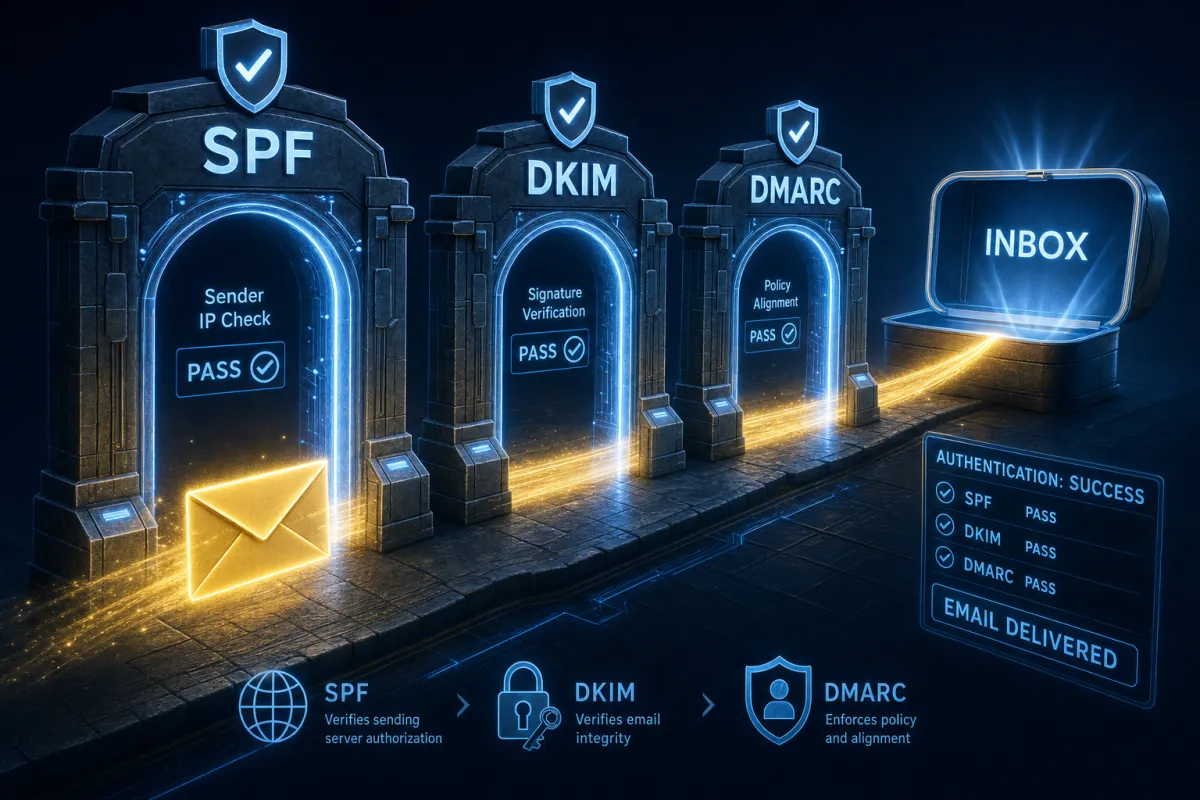
Three records do the heavy lifting. SPF says which servers can send for your domain. DKIM signs the message so it can’t be tampered with. DMARC tells the receiver what to do when those checks fail. If you’re sending marketing from a free address like a gmail.com or yahoo.com sender, you’re already losing — those domains forbid outsiders from sending on their behalf, so you go straight to spam.
The fix: send from a domain you own that matches your brand, and verify it so SPF and DKIM are in place. Want to check? Send yourself a test at a Gmail address, open it, click “Show original,” and confirm SPF, DKIM, and DMARC all read PASS.
You can write the best email of your life. It doesn’t matter if it lands in spam before anyone sees it.
Reputation: your domain has a credit score
Every domain carries a reputation built from how you’ve sent in the past. Cross roughly a 0.3% spam-complaint rate, or let bounces climb past 5%, and providers start filtering you hard. The single most damaging thing you can do is blast cold, unconsented contacts — every “mark as spam” is a strike that follows your domain for weeks.
List health is the part nobody wants to hear
Once the technical pieces pass, list quality becomes everything. A dirty list sinks a perfectly authenticated sender. That means: only mail people who actually opted in, cut subscribers who haven’t engaged in 90+ days, and never buy a list. It hurts to trim, but an unengaged contact who never opens is dragging down everyone else’s inbox placement.
The takeaway
This Monday, run two checks. Send a test to Gmail and confirm SPF, DKIM, and DMARC all PASS — that’s your authentication. Then pull up your last campaign’s complaint and bounce rates. If authentication is clean but you’re still in spam, the problem is reputation and list health, and the cure is the same every time: slow down, mail only engaged people, and earn the inbox back. There’s no shortcut — but there is a path.
